A full Tso Moriri guide: how to reach the lake from Leh or Hanle, staying in Karzok village, the return to Leh via Chumathang hot springs, the Namshang La route, riding tips, and how Tso Moriri compares with Pangong.
Tso Moriri is a large, quiet high-altitude lake in the Changthang region of south-eastern Ladakh. Surrounded by bare hills and snow peaks, it sees far fewer visitors than Pangong and has a calmer, more remote feel. The village of Karzok (also spelt Korzok) on its western shore is one of the few settlements in the area. This Tso Moriri travel guide explains how to reach the lake from Leh and Hanle, where to stay, and how to plan a safe trip.
About Tso Moriri lake
Tso Moriri lake is a protected wetland and an important breeding ground for birds such as bar-headed geese and black-necked cranes. It is recognised as a Ramsar wetland of international importance. It was designated in August 2002. The lake is higher than Pangong, so altitude is a real consideration. Its altitude is usually given as about 4,520 m (some official records give 4,595 m).
- Main base: Karzok village on the north-west shore.
- Wildlife: birds in summer; kiang, marmots and occasionally other wildlife on the plateau.
- Atmosphere: quiet, open and very cold at night.
Who Tso Moriri suits
Tso Moriri is a good choice if you have already seen Pangong on a previous trip, if you prefer quiet places to busy viewpoints, or if birds and wildlife interest you. It also fits naturally into eastern Ladakh circuits with Hanle and Umling La, or as a detour from the Manali–Leh highway via Tso Kar. It is less suited to travellers on a very short trip, to anyone who has not yet acclimatised, or to those who need hotel-level comfort.
Leh to Tso Moriri: the route
The usual route from Leh to Tso Moriri follows the Indus south-east from Leh to Upshi, then continues along the river to Chumathang and Mahe. At Mahe bridge, the road leaves the Indus and climbs south through Sumdo to the lake.
- Leh → Upshi: along the Manali highway.
- Upshi → Chumathang: through the Indus gorge.
- Chumathang → Mahe: along the widening Indus valley.
- Mahe → Sumdo → Karzok: climbing to the lake.
The drive is roughly 220–240 km and usually takes 6–7 hours.
Stops on the way from Leh
- Upshi: the junction where the Tso Moriri road leaves the Manali highway; tea stalls and a police check.
- The Indus gorge: a narrow, winding stretch with steep cliffs and the river close by.
- Chumathang: the hot springs make a good break on the way out or back.
- Mahe bridge: the point where you leave the Indus for the climb towards Sumdo and the lake.
Hanle to Tso Moriri
If you are travelling through eastern Ladakh, you can link Hanle to Tso Moriri without returning to Leh. The road runs from Hanle back towards Loma and Nyoma, then along the Indus to Mahe, where you turn off for the lake. Our Hanle travel guide covers the Hanle end of the trip.
Karzok village travel guide
Karzok is a small village with a monastery, fields and homes clustered above the lakeshore. It is one of the highest permanently inhabited villages in the region, home to Changpa families who traditionally herd sheep, goats and yaks.
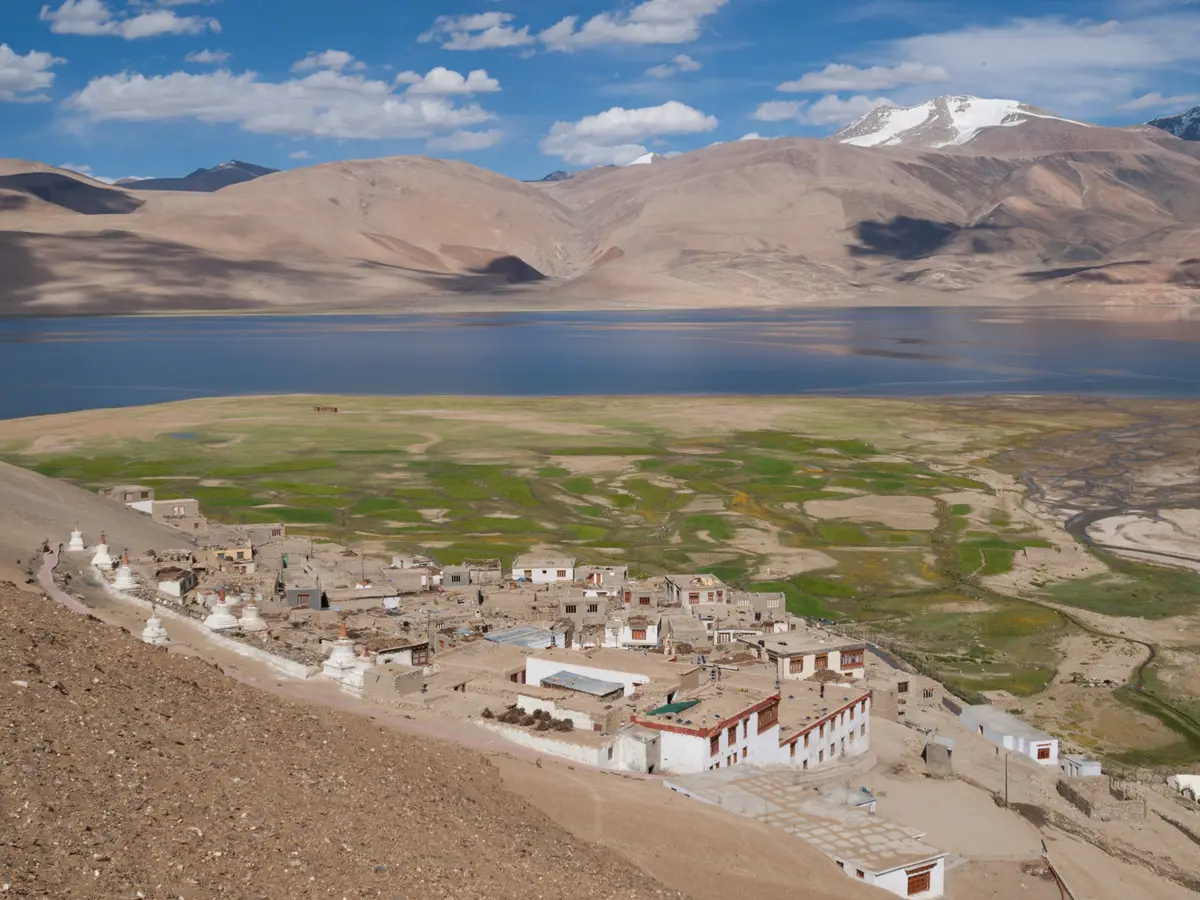
Things to do in and around Karzok
- Karzok Monastery: a small monastery in the village. Visit respectfully and ask before taking photographs inside.
- Lakeside walks: walk along the shore on established paths, keeping away from bird nesting areas.
- Sunrise and sunset: the lake and surrounding peaks change colour dramatically.
- Village life: watch herders bring animals home in the evening, but ask before photographing people.
Karzok village stay
For a Tso Moriri stay, the choice is between homestays, guesthouses and tented camps in and around Karzok. A Karzok village stay with a family gives you a glimpse of Changpa life and home-cooked meals.
- Facilities are basic; electricity and hot water may be limited.
- Nights are cold even in summer; ask for extra blankets.
- Mobile coverage is limited.
- Camps usually operate only during the summer season.
Tso Moriri to Leh via Chumathang
The most common return is the same Indus valley road, Tso Moriri to Leh via Chumathang. It is worth stopping at Chumathang for its hot springs.
Chumathang hot spring guide
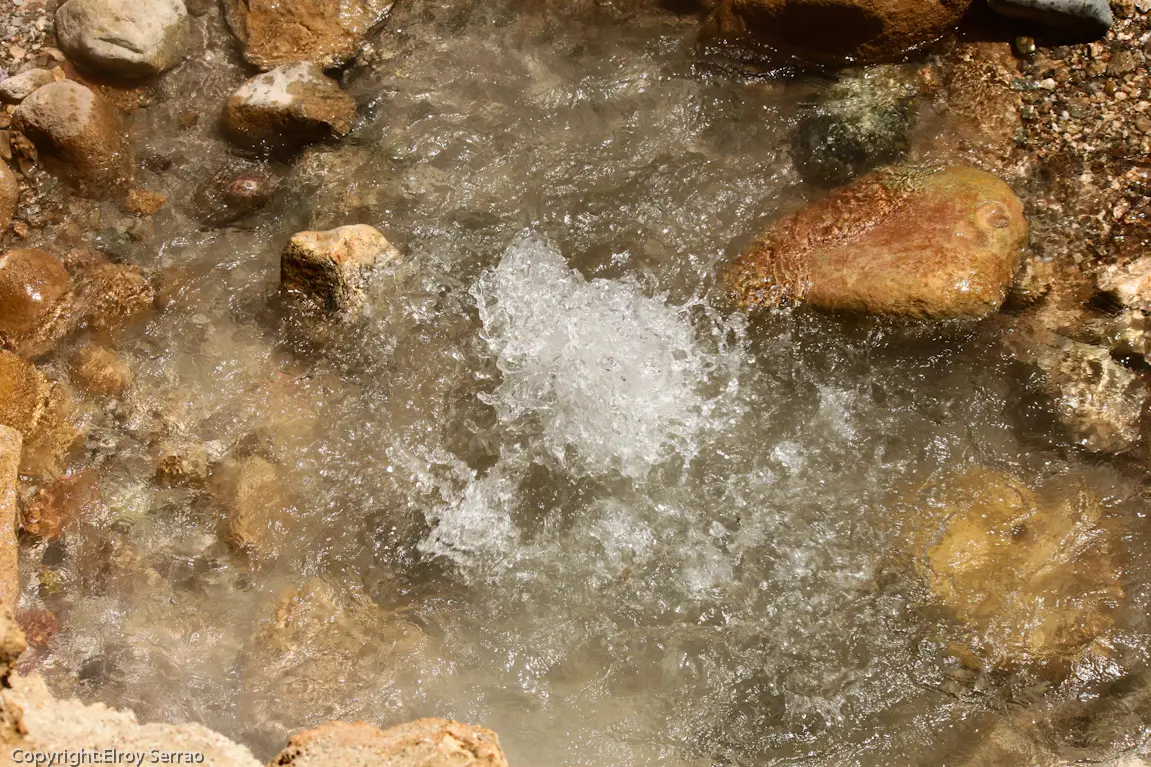
Chumathang is a small village on the Indus where natural hot springs rise near the riverbank. Steam and mineral deposits mark the springs, and some guesthouses use the hot water.
- The water can be very hot; test carefully and do not let children touch it unsupervised.
- Respect any local rules about bathing and keep the area clean.
- Chumathang makes a good tea break on the long drive back to Leh.
Namshang La Pass route
Some travellers return to Leh via a different route, crossing towards Tso Kar and the Manali highway. This route passes through Puga and over Namshang La, then reaches Tso Kar and joins the Manali–Leh highway near Debring. From there you continue over Tanglang La to Leh.
- This loop is more remote than the Chumathang route and suits experienced drivers or riders.
- It allows you to see Tso Kar, a smaller salt lake, on the way.
- Fuel is not available on this stretch; plan accordingly.
For the high passes on the Manali highway, see our Ladakh high mountain passes guide.
Tso Moriri bike trip and road trip tips
A Tso Moriri bike trip or Tso Moriri road trip is long and remote but rewarding. Roads are a mix of surfaced stretches and rough sections, especially after Sumdo.
- Fuel: fill up in Leh or Karu and carry spare fuel.
- Start early: leave Leh early to arrive in daylight.
- Gear: warm riding gear, waterproofs and spare gloves.
- Altitude: rest on arrival; avoid strenuous walks on your first evening.
For bike rental advice, see the Ladakh bike trip guide.
Wildlife and birdwatching at Tso Moriri
Tso Moriri and its surrounding wetlands are one of the most important high-altitude breeding grounds for birds in Ladakh. In summer, look for bar-headed geese, brown-headed gulls and great crested grebes on the water, and black-necked cranes in the marshes. On the surrounding plains, kiang and Himalayan marmots are often seen.
- Bring binoculars and a telephoto lens rather than walking closer.
- Keep away from the shoreline and marshes during the breeding season.
- Move slowly and quietly; birds and animals are easily disturbed.
What a day at Tso Moriri looks like
A typical full day at the lake is slow and unhurried. Mornings are cold and still, often with the clearest reflections of the surrounding peaks. After breakfast, many visitors take a gentle walk along the shore path or visit Karzok Monastery. Midday is warm in the sun but windy, a good time to rest or read. In the late afternoon the light softens and the hills turn golden, and after dark the sky fills with stars. Keep activity gentle throughout: this is one of the highest places most visitors will sleep in Ladakh.
Common mistakes to avoid
- Visiting before acclimatising in Leh.
- Planning a same-day return from Leh.
- Driving vehicles to the water's edge.
- Running short of fuel on the return route.
- Underestimating the cold at night.
Tso Moriri vs Pangong Lake
| Tso Moriri | Pangong Lake | |
|---|---|---|
| Crowds | Fewer visitors | Busy in peak season |
| Accommodation | Limited, mainly Karzok | Many camps along the shore |
| Access | Longer drive via the Indus valley | Shorter drive via Chang La |
| Landscape | Wide lake framed by snow peaks | Long, narrow lake with vivid colours |
| Best for | Solitude, birdwatching, second-time visitors | First-time visitors, photography |
If you have time for only one, Pangong is easier. If you want quiet and more wildlife, choose Tso Moriri. See our Pangong Lake guide to compare.
Sample Tso Moriri itinerary
- Days 1–2: Leh, acclimatisation and light sightseeing.
- Day 3: Leh → Tso Moriri via Chumathang.
- Day 4: Karzok, lakeside walks and monastery.
- Day 5: Return to Leh via Chumathang, or via Puga and Tso Kar.
For longer circuits linking Tso Moriri with Hanle and Umling La, see the Umling La travel guide and the tour combinations guide.
Food at the lake
Meals at Tso Moriri are simple and filling: rice, dal, vegetables, roti, noodles and soups, usually served at your homestay or camp. Fresh produce is limited at this altitude, so menus are short. Bring snacks, dry fruit and any special dietary items from Leh, and drink plenty of hot tea and water to stay hydrated in the dry air.
Permits and responsible travel
- Permits: Tso Moriri is in a protected area. Ensure your permit covers it. See the Leh permit guide.
- Wetland protection: keep vehicles on the road and away from the shore. Do not disturb nesting birds.
- Waste: carry all rubbish back to Leh.
- Water: use refillable bottles and purification where possible.
Choosing a Tso Moriri package
A Tso Moriri package or Tso Moriri tour is often combined with Hanle, Umling La or the Manali highway. Tripsdoc's Leh – Hanle – Umling La – Tso Moriri – Leh and Manali Umlingla Tso Moriri Manali package pages list current routes and inclusions.
Final thoughts
Tso Moriri is a place to slow down, and it rewards travellers who give it time rather than ticking it off. Arrive acclimatised, stay at least one night in Karzok, and treat the lake and its wildlife with care. To plan a route that includes Tso Moriri, speak to Tripsdoc.
Photo credits (Wikimedia Commons): Ingo Mehling (CC BY-SA 3.0), Rafał Kozubek (CC BY-SA 3.0), Elroy Serrao (CC BY-SA 2.0).
Frequently Asked Questions
One night is the minimum, as the drive from Leh is long. Two nights let you walk along the lake, visit Karzok monastery and see the lake in different light without rushing.
Tso Moriri is generally cited as slightly higher than Pangong. Both are well above Leh, so acclimatise in Leh first and avoid exertion on arrival.
No. The lake is a protected wetland and an important breeding ground for birds. Swimming, boating and driving to the water's edge are not allowed or strongly discouraged.
It is not recommended. The return drive takes most of a day and leaves almost no time at the lake. An overnight stay is much safer and more enjoyable.