Understand permits for Ladakh's protected areas – Nubra, Pangong, Tso Moriri, Hanle and more – with notes on how rules differ for Indian and foreign nationals, how to apply, what to carry and the details to confirm before travel.
Much of Ladakh lies close to India's borders, and several popular destinations are in protected areas where visitors need permission to travel. The rules have changed several times in recent years and differ for Indian and foreign nationals. This Leh permit guide explains how the system generally works, which places are affected, and what to check before you travel.
Permit rules in Ladakh change frequently. Every specific requirement in this guide is marked for verification and must be confirmed with the official Ladakh administration or a registered travel agent before you travel.
Why permits are needed
Areas near the Line of Control and Line of Actual Control are sensitive for security reasons. Permits and registration allow the authorities to keep track of who is travelling where. In practice, this means presenting a permit or registration at army and police checkpoints on the way to places like Nubra and Pangong.
Which places need a permit?
The following destinations have generally been in protected areas requiring permits or registration.
- Nubra Valley: including Hunder, Diskit, Sumur, Panamik and Turtuk.
- Pangong Lake: including Lukung, Spangmik, Man and Merak.
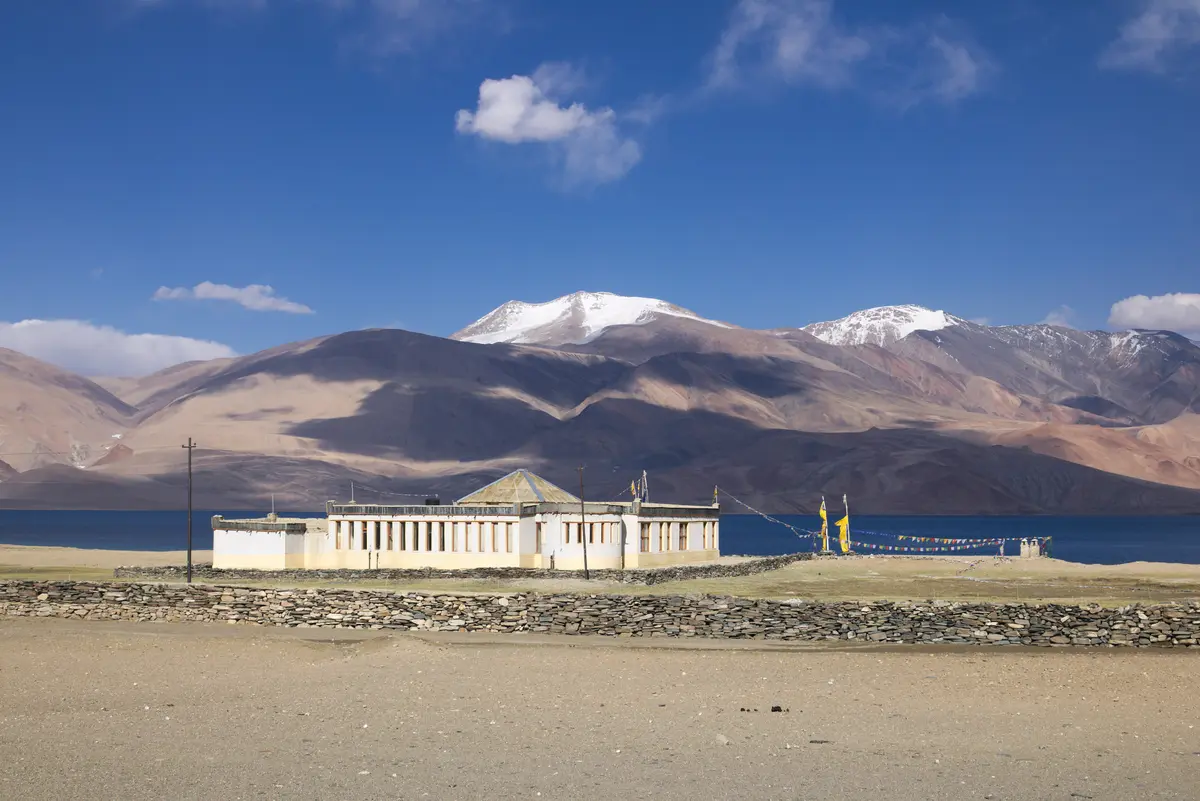
- Tso Moriri and Tso Kar: including Karzok and Puga.
- Hanle and eastern Changthang: including Nyoma, Loma and Chushul.
- Umling La: which may require separate or additional permission.
- Dah and Hanu villages: in the lower Indus valley.
Leh town and most sights along the Srinagar highway (such as Alchi, Likir and Lamayuru) have generally not required permits.
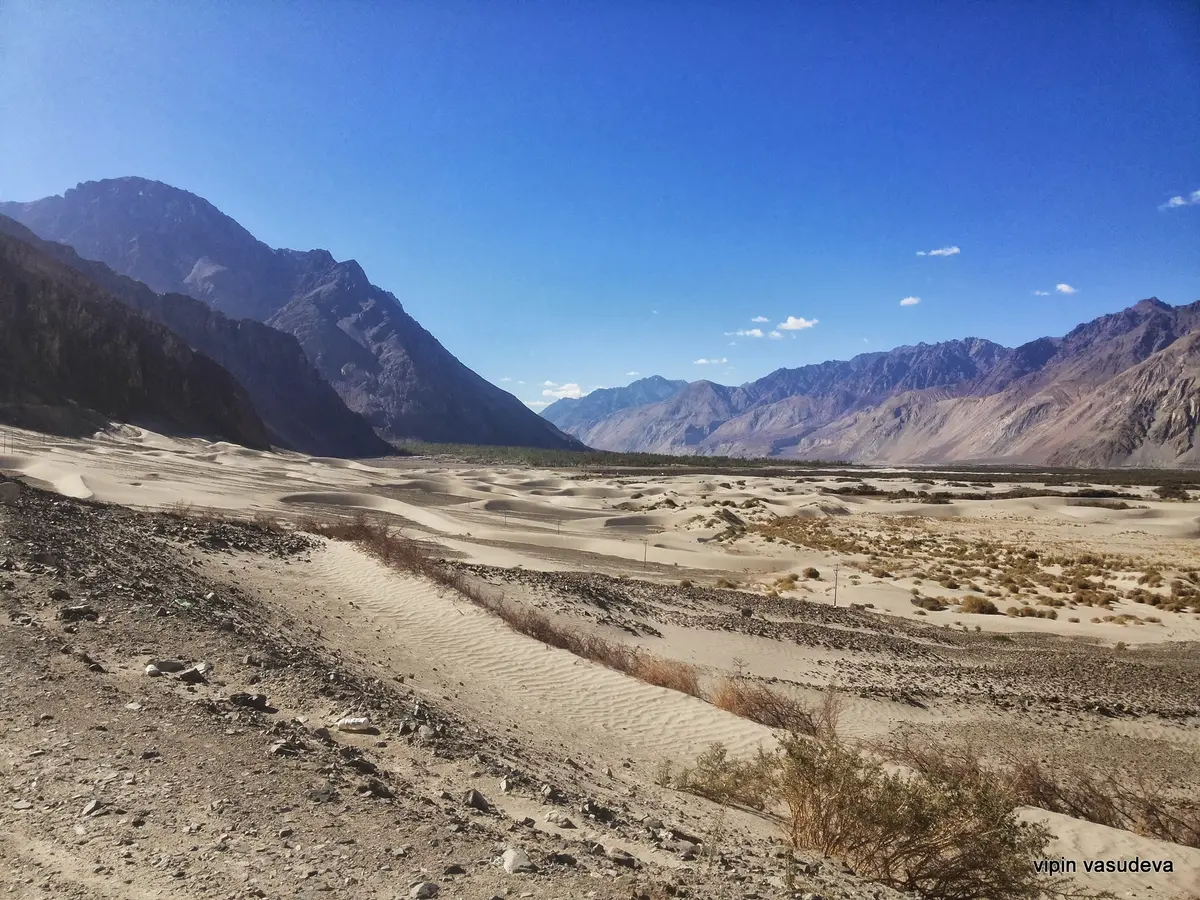
Permits for Indian citizens
For many years, Indian citizens needed an Inner Line Permit (ILP) for protected areas. In 2021 the requirement for domestic tourists was relaxed, but an environmental or other fee and some form of registration have continued to apply.
- Carry valid government photo ID such as Aadhaar, passport, voter ID or driving licence.
- Keep printed copies of any registration or fee receipt.
- Expect to show these at checkpoints such as South Pullu (Khardung La) and on the road to Pangong.
Permits for foreign nationals
Foreign nationals have generally needed a Protected Area Permit (PAP) for these areas.
- Applications have usually been made through a registered travel agent in Leh.
- There have been conditions on group size (for example, a minimum of two people).
- Permits have specified a validity period and the areas covered.
- Some areas closer to the border, such as Umling La or Hanle, may have different rules for foreigners.
Citizens of some countries may face additional restrictions. Check before you travel.
How to apply: general steps
- Decide your route: list every protected area you plan to visit, including overnight stops.
- Check current rules: on the official Ladakh administration website or with a registered agent.
- Prepare documents: ID, passport and visa (for foreigners), and travel dates.
- Apply: online or through an agent, and pay any fees.
- Print copies: several printed copies for checkpoints.
Apply after you arrive in Leh if required, or in advance where online systems allow. Factor in office closures on Sundays and public holidays.
Vehicles, riders and drivers
If you are driving or riding, your vehicle's details may also need to be recorded. Riders on rented motorcycles should carry the rental agreement and the bike's registration papers. Travellers using a local taxi usually have the vehicle details handled by the driver, but it is worth confirming this when you book. Rules on non-local vehicles in some areas have changed in recent seasons.
What to carry at checkpoints
- Several printed copies of your permit or registration.
- Original photo ID (and passport for foreigners).
- Vehicle documents and, for riders, a driving licence and rental agreement.
- A digital copy on your phone as backup.
Planning your route around permits
Because permits usually list the areas you can visit, it helps to plan your full route before you apply. Some examples:
| Planned trip | Areas to include |
|---|---|
| Leh, Nubra and Pangong | Nubra (including Hunder and Diskit), Pangong |
| Nubra with Turtuk and the Shyok road | Nubra, Turtuk, the Agham–Shyok route, Pangong |
| Eastern Ladakh circuit | Pangong, Chushul, Hanle, Umling La, Tso Moriri |
| Manali highway with Tso Kar | Tso Kar and Tso Moriri if you detour |
If in doubt, include an area you might visit rather than leave it out.
At the checkpoint
Checkpoints are usually quick. Your driver or a group leader typically takes the permits and IDs to the post, where details are noted and a copy may be kept. Stay in or near the vehicle unless asked to step out, keep your ID ready, and answer any questions simply. On a motorcycle, stop fully and remove your helmet if asked. Do not photograph the checkpoint or military structures.
Common mistakes to avoid
- Missing a place on your permit: include every area you might visit, including Turtuk, Chushul or Hanle.
- Too few copies: checkpoints sometimes keep a copy.
- Assuming rules are the same as last year: check every time.
- Travelling at night: some checkpoints may restrict movement after dark.
- Photography: do not photograph military installations, and follow any "no photography" signs or instructions from personnel at checkpoints.
If your plans change mid-trip
It is common to change plans once you are in Ladakh – adding Turtuk, swapping Pangong for Tso Moriri, or extending your stay because of weather. If the new route includes areas not on your permit, or goes beyond its validity, you may need a new or amended permit before you travel. Allow time for this in Leh, and do not set off hoping a checkpoint will let you through.
Permits by destination
Each destination guide includes notes on permits:
Keeping your documents safe
Keep originals in a waterproof pouch in your day bag, printed copies in a separate folder, and photos of everything on your phone and in your email. If you lose a permit, return to the issuing office or contact your agent as soon as possible – do not continue into protected areas without one.
Getting help with permits
If you are travelling with a tour operator, ask whether they arrange permits and what documents they need from you. Each Tripsdoc package page lists its inclusions; if a permit is not listed, ask before booking. To discuss your route, contact Tripsdoc.
Final thoughts
Permits are a routine part of travelling in Ladakh, but the rules change. List every place you plan to visit, check the current requirements before you go, and carry plenty of copies. That way, checkpoints become a brief formality rather than a source of stress.
Photo credits (Wikimedia Commons): Vyacheslav Argenberg (CC BY 4.0), Vipin Vasudeva (CC BY-SA 3.0), Ingo Mehling (CC BY-SA 3.0).
Frequently Asked Questions
Rules for domestic tourists have changed in recent years, and in some periods a separate registration and fee has replaced the old Inner Line Permit. Check the current requirement with the Ladakh administration before travel, and carry ID and any registration documents.
Foreign nationals have generally needed a Protected Area Permit, often applied for through a registered travel agent, with conditions on group size and routes. These rules change, so confirm the current position before you plan.
No permit is normally required to stay in Leh town or visit nearby sights such as Shanti Stupa and Leh Palace. Permits apply to protected areas beyond certain checkpoints.
Carry several printed copies – at least five or six for a typical circuit – as some checkpoints keep a copy. Keep a digital copy on your phone as well.