Plan your days in and around Leh with this sightseeing guide covering Shanti Stupa, Leh Palace, the Hall of Fame, Magnetic Hill, the Indus–Zanskar Sangam, Khardung La Pass and where to find good cafes.
Most Ladakh trips begin and end in Leh, and the first two days are usually spent resting and acclimatising. That makes Leh's sights ideal for gentle exploring: they are close together, mostly at the same altitude as town, and easy to fit around rest. This Leh sightseeing guide covers the main places in and near town, a short trip out along the Srinagar highway, and practical tips for the drive to Khardung La.
Planning your Leh sightseeing
- Day 1: rest. A short walk in the market at most.
- Day 2: Shanti Stupa, Leh Palace and the old town at an easy pace.
- Day 3: the Srinagar highway sights – Hall of Fame, Gurudwara Pathar Sahib, Magnetic Hill and the Sangam – or the monasteries to the south-east.
- Day 4 onward: excursions such as Khardung La and Nubra, once you feel well.
For full day-by-day plans, see our 5-day Leh itinerary.
Shanti Stupa, Leh
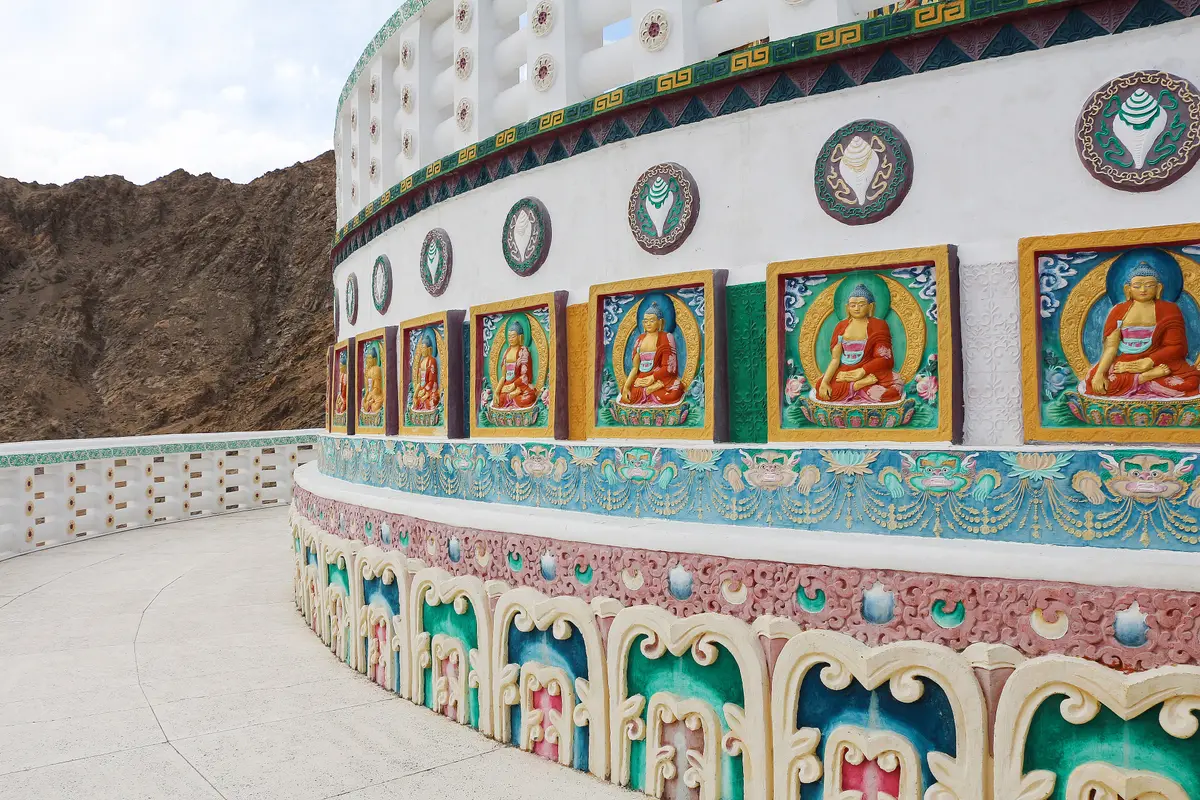
Shanti Stupa is a white-domed Buddhist stupa on a hill above Chanspa, on the edge of Leh. It was built by Japanese and Ladakhi Buddhists and inaugurated in 1991. It is one of the best viewpoints in town.
- Getting there: by road to the top, or up a long flight of steps from Chanspa. The steps are tiring in your first days.
- Best time: sunset, when the light falls on Leh Palace and the Stok range.
- Tip: carry a jacket; it gets cold once the sun goes down.
Leh Palace guide
Leh Palace rises above the old town and was the royal residence of the Namgyal dynasty. It was built in the 17th century and has nine storeys. The palace is maintained by the Archaeological Survey of India, and parts of it are open to visitors.
- What to see: the old rooms, small exhibits and the roof terraces with views over Leh.
- Entry: there is an entry fee and set opening hours.
- Getting there: walk up through the old town, or drive to the upper entrance.
- Nearby: Namgyal Tsemo Gompa, higher on the ridge, for even wider views if you feel up to the climb.
Leh old town and market
The old town below the palace is a maze of mud-brick houses and narrow lanes, with some restored buildings. Main Bazaar is the place for shops, pashmina, dried apricots and handicrafts. It is a good gentle walk for your first days.
Places of worship in the old town
Leh's old town reflects the town's history as a trading centre. Near Main Bazaar you will find the Jama Masjid, Buddhist temples and the Moravian Church, which dates back to the missionary period. Visit respectfully, dress modestly and ask before taking photographs inside.
Getting around Leh
- On foot: the old town, Main Bazaar, Changspa and Fort Road are walkable – but go slowly in your first days.
- Taxis: local taxi unions operate fixed-rate routes to sights around Leh. Ask your hotel for the current rate before you set off.
- Hired vehicle: for a full day of sightseeing, hiring a taxi with a driver is simplest.
- Scooters and bikes: available to rent, but wait until you have acclimatised before riding.
Hall of Fame, Leh
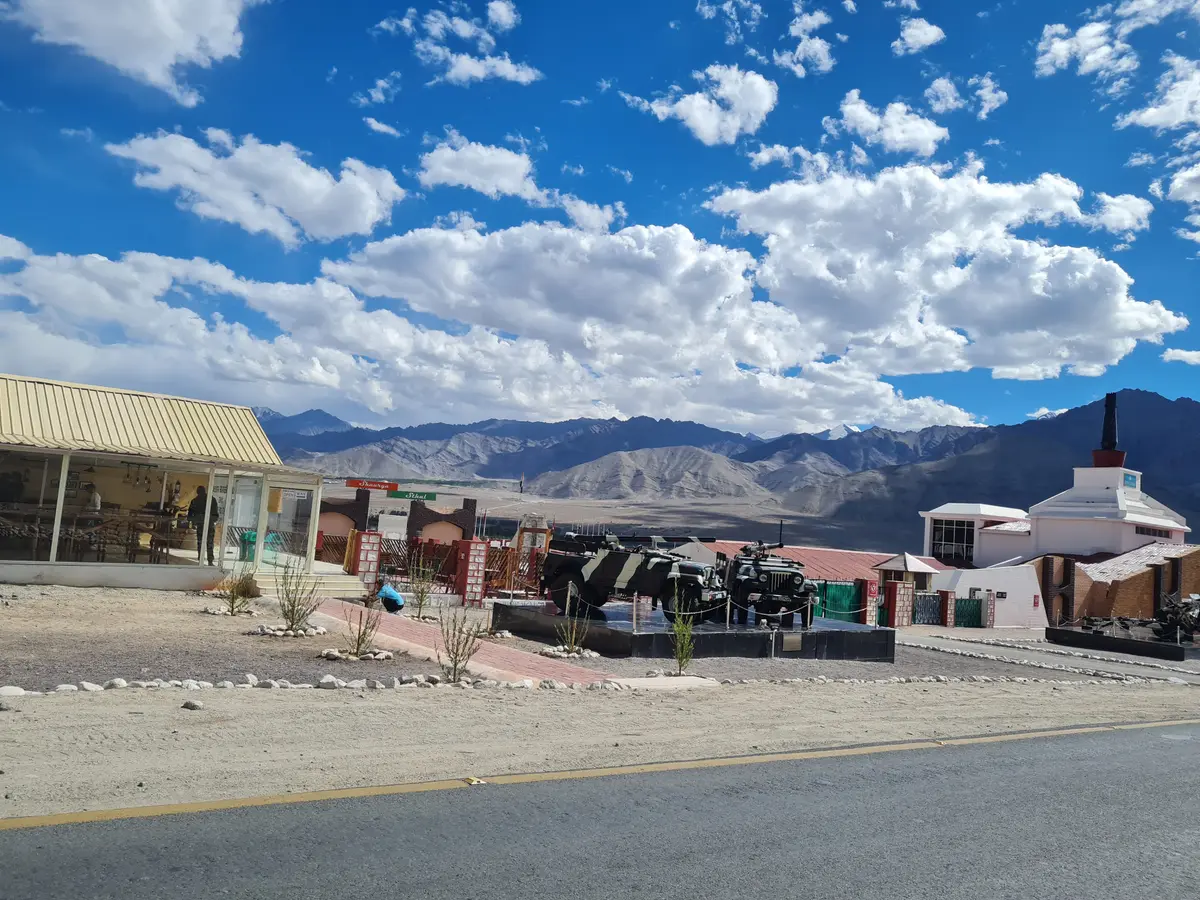
The Hall of Fame is a museum run by the Indian Army on the Srinagar highway just outside Leh. It honours soldiers who served in Ladakh, with exhibits on the Kargil conflict, Siachen and the region's military history. It also has displays on Ladakhi culture.
- Entry: there is an entry fee and separate charges for cameras.
- Time needed: about one hour.
- Evening show: a light and sound show has been held on some evenings.
Gurudwara Pathar Sahib
On the Srinagar highway, about halfway to Magnetic Hill, is Gurudwara Pathar Sahib, a Sikh shrine associated with Guru Nanak. It is maintained by the army. Visitors are welcome; cover your head and remove your shoes.
Magnetic Hill, Leh
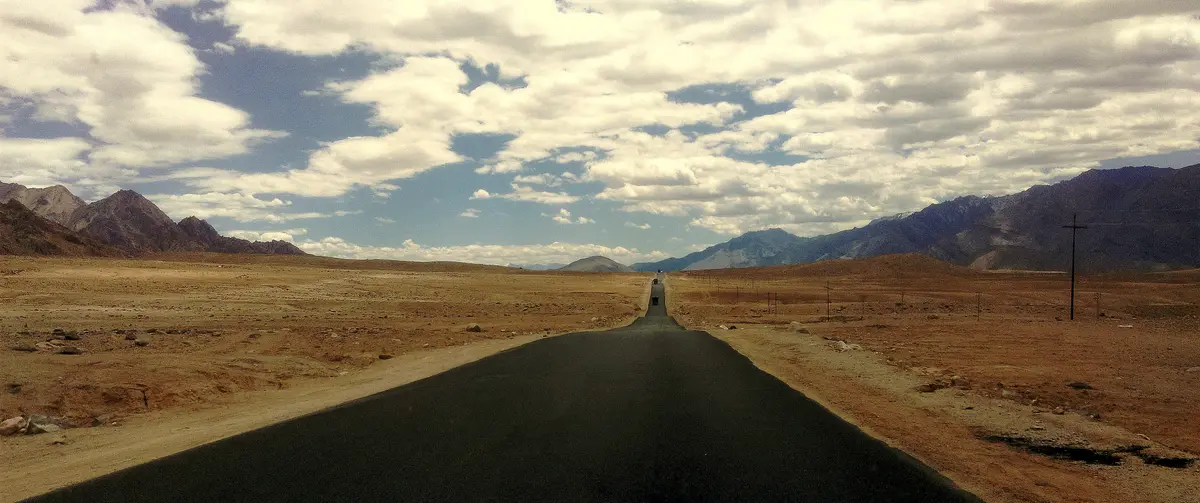
Magnetic Hill is a stretch of the Srinagar–Leh highway where vehicles in neutral appear to roll uphill. It is an optical illusion caused by the surrounding landscape. Drivers usually stop at a marked spot so passengers can try it.
- Park only where it is safe and do not block traffic.
- The real attraction is the wide view across the valley.
Indus Zanskar Sangam
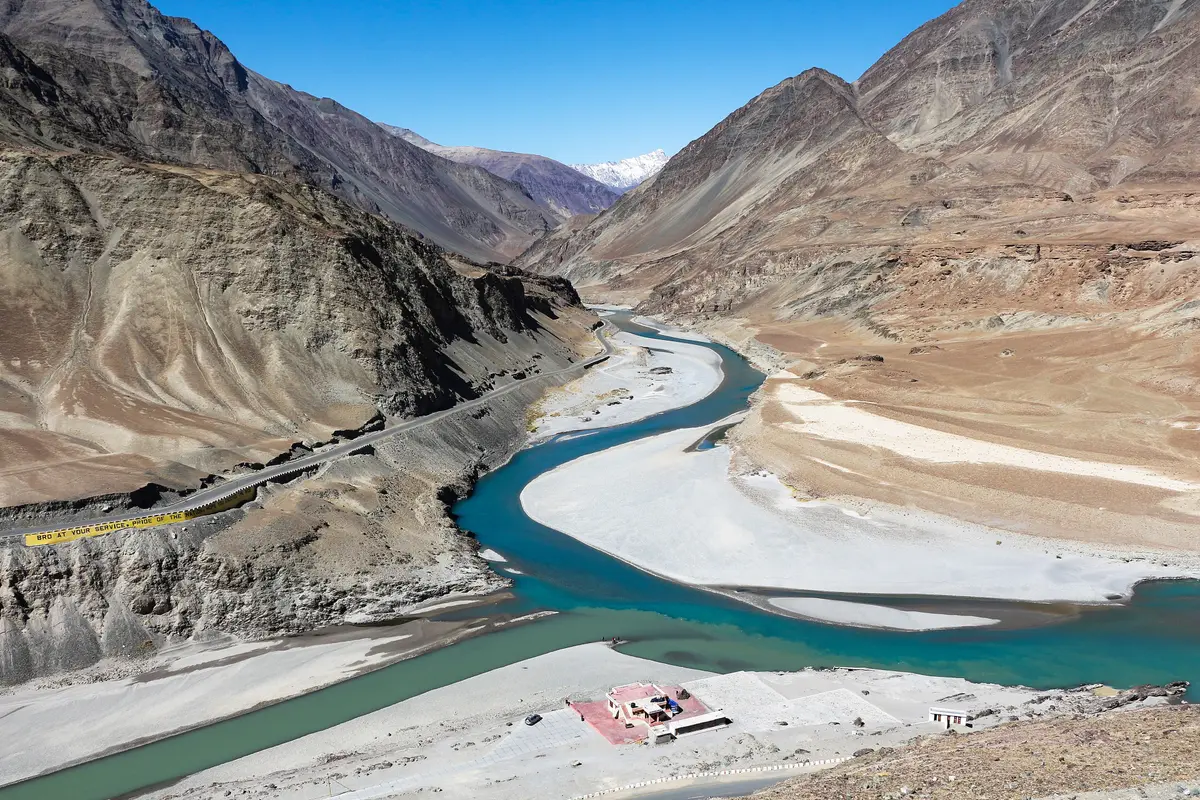
Near Nimmu, the Zanskar river joins the Indus. The two rivers often have distinctly different colours where they meet, especially in summer. A viewpoint above the confluence is a popular stop.
- The colours are usually clearest in summer and early autumn.
- River rafting trips run from this stretch in season.
- The road down to the water is steep; take care when walking.
Khardung La Pass
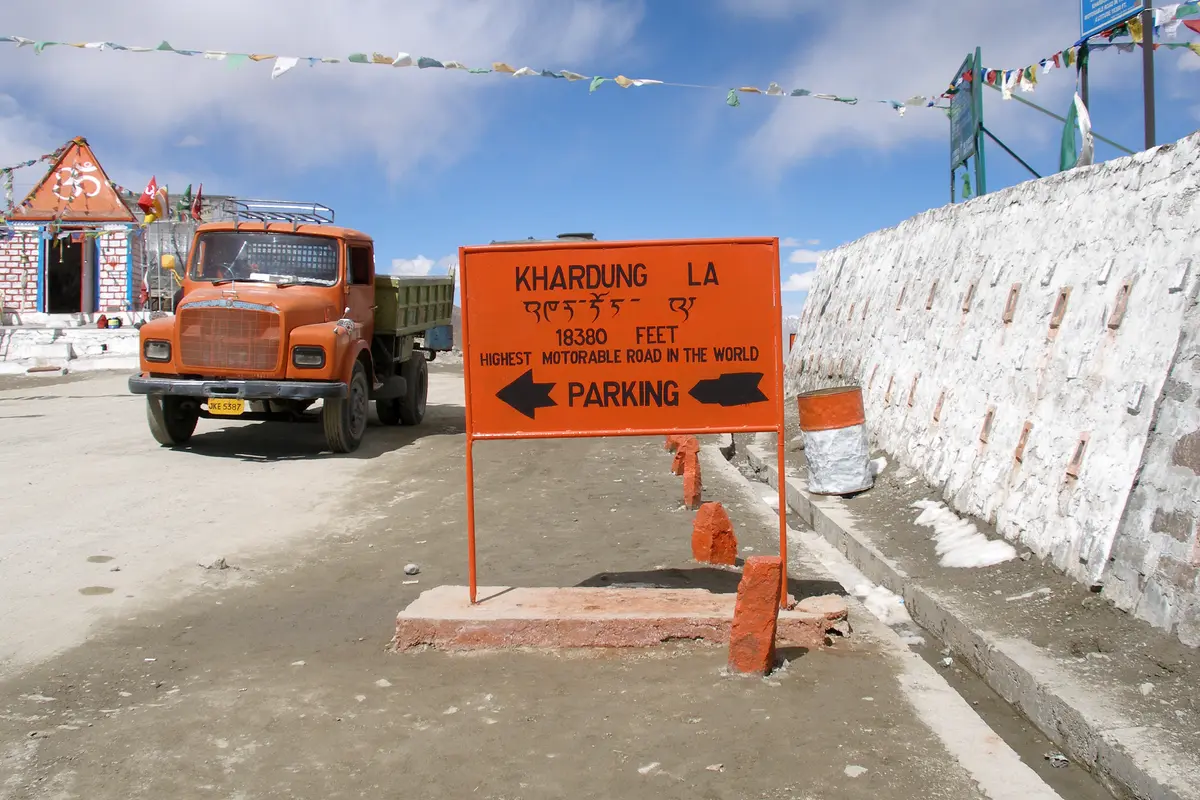
Khardung La Pass is the pass on the road from Leh to Nubra Valley and is one of the most visited high passes in India. The signboard at the top shows an altitude of 18,380 ft, although survey measurements give a lower figure. Survey measurements put it at about 5,359 m (17,582 ft).
Khardung La travel tips
- Acclimatise first: do not go to Khardung La until you have spent at least two nights in Leh and feel well.
- Keep it short: spend no more than 15–20 minutes at the top.
- Start early: mornings usually have clearer skies and less snowmelt on the road.
- Dress warmly: it is often near freezing at the top, even in summer.
- Permits: you may need a permit beyond the South Pullu checkpoint. See our Leh permit guide.
To continue into Nubra, read our Nubra Valley travel guide.
A two-day Leh sightseeing plan
| Day A: Leh town | Day B: Srinagar highway | |
|---|---|---|
| Morning | Old town walk and Main Bazaar | Hall of Fame museum |
| Late morning | Leh Palace | Gurudwara Pathar Sahib |
| Lunch | A café near Main Bazaar | A roadside dhaba near Nimmu |
| Afternoon | Rest at your hotel | Magnetic Hill and the Sangam |
| Evening | Shanti Stupa for sunset | Return to Leh, early night |
If you are still adjusting to the altitude, split each day in two and rest in between. The sights are close enough to Leh to return to your hotel at midday.
Stok and Spituk
Two more places close to Leh are worth adding if you have time. Stok Palace, across the Indus, is the residence of the former royal family and houses a small museum. Spituk Monastery stands on a hill near the airport with wide views over the Indus valley and the runway – a good stop on the way back from the Srinagar highway.
Monasteries near Leh
Several important monasteries lie within easy reach of Leh, including Thiksey, Shey, Hemis and Spituk. Our guide to the best monasteries in Ladakh covers them in detail.
Shopping in Leh
Leh's markets are part of the sightseeing experience. Along Main Bazaar and the lanes behind it you will find:
- Pashmina and woollens: shawls, caps and socks. Genuine pashmina is expensive; buy from reputable shops and ask about certification.
- Dried apricots and sea-buckthorn products: good gifts that travel well.
- Handicrafts: prayer flags, singing bowls, thangka paintings and jewellery – some local, some from elsewhere in the Himalaya.
- Local produce: look for women selling vegetables, cheese and apricots along the bazaar in the mornings.
Bargaining is common in some shops but not in others; a friendly, respectful approach works best.
Sightseeing in your first days: what to skip
Some Leh sights are physically demanding for newly arrived visitors. Leave these until you feel fully acclimatised:
- The full flight of steps up to Shanti Stupa – drive up instead at first.
- The steep climb to Namgyal Tsemo above the palace.
- Long walks or treks in the hills around town.
- Any trip to Khardung La or Chang La.
Best cafes in Leh
Leh has a lively café scene, especially around Main Bazaar, Changspa Road and Fort Road. Cafés change from season to season, so rather than recommend specific names, here is what to look for:
- Rooftop cafés with views of the palace or Stok range – good for slow afternoons.
- Bakeries selling local apricot and sea-buckthorn products.
- Ladakhi food: try thukpa, skyu, momos and butter tea.
- Refill stations: some cafés offer filtered water refills, which reduce plastic waste.
Practical tips
- Drink plenty of water and avoid alcohol in your first days.
- Wear sunglasses and sunscreen; the sun is strong at altitude.
- Carry cash for monastery fees and small shops.
- Respect local customs: walk clockwise around stupas, dress modestly at religious sites.
See our altitude and acclimatisation guide for more on staying well in your first days.
Exploring Leh with Tripsdoc
Each of Tripsdoc's Leh Ladakh tour packages sets out its day-by-day plan on its package page, so you can see exactly which Leh sights are covered. If you would like a custom plan, contact the Tripsdoc team.
Final thoughts
Leh's sights are the perfect way to ease into Ladakh. Take your time, combine short visits with plenty of rest, and save higher excursions like Khardung La until you have adjusted to the altitude.
Photo credits (Wikimedia Commons): Sumit Das (CC BY-SA 4.0), Bernard Gagnon (CC BY-SA 4.0), Jagseer S Sidhu (CC BY-SA 4.0), Vikrantdhiman189381 (CC BY 4.0), Vyacheslav Argenberg (CC BY 4.0).
Frequently Asked Questions
Two days covers the main sights in and around town at a gentle pace, which suits your first days of acclimatisation. Add a third day if you want to include monasteries such as Hemis, Thiksey and Shey.
It is an optical illusion. The layout of the surrounding land makes a slight downhill slope look like an uphill one, so vehicles in neutral appear to roll uphill.
No. Wait until you have spent at least two nights in Leh and feel well. Going higher too soon increases the risk of altitude sickness.