General, cautious guidance on altitude sickness in Leh: why your first 48 hours matter, how to acclimatise, common symptoms and warning signs, and when to descend or seek medical help. Not a substitute for medical advice.
This guide offers general information only. It is not medical advice and does not replace consultation with a qualified clinician. If you have heart, lung or blood-pressure conditions, are pregnant, or have concerns about travelling to high altitude, speak to a doctor before you go.
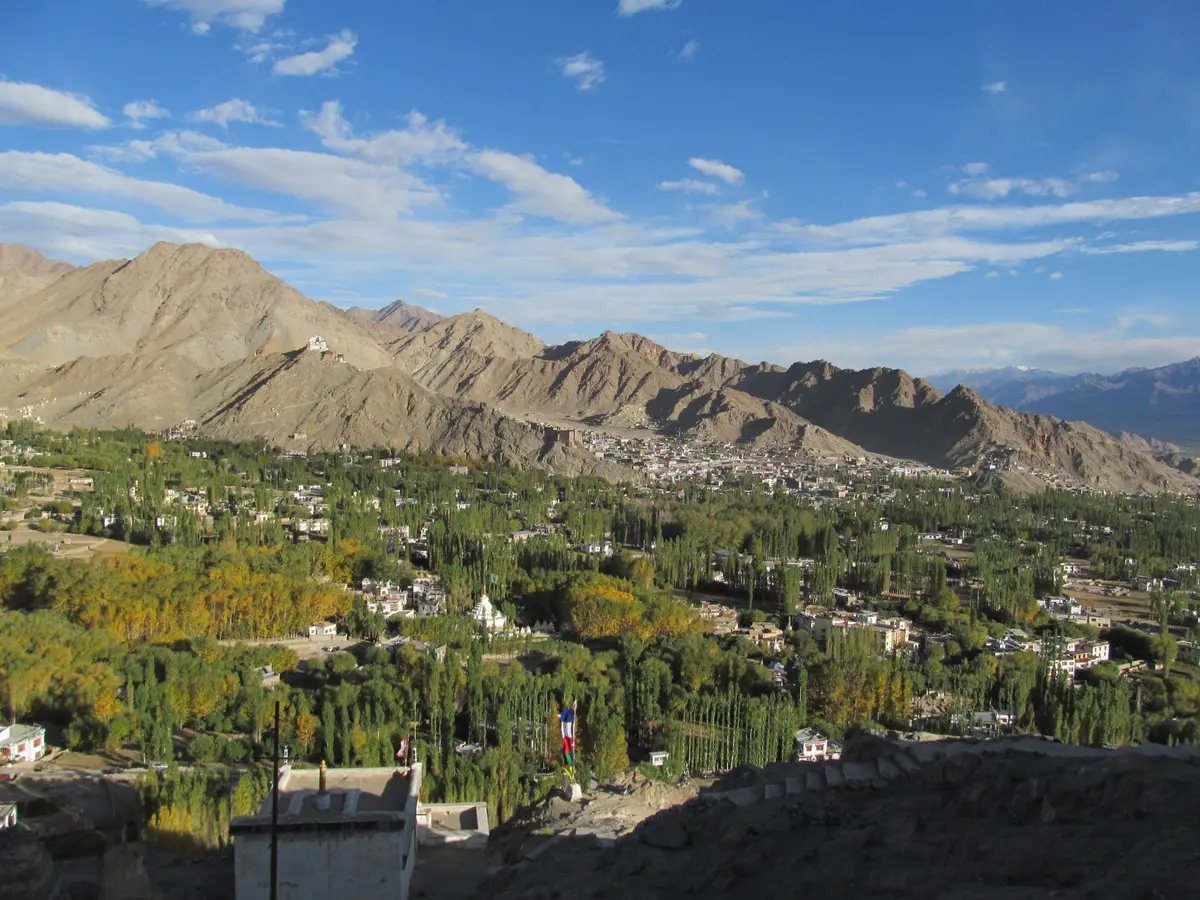
Leh sits at about 3,500 m (11,500 ft), and many of Ladakh's popular destinations are even higher. At these altitudes there is less oxygen in each breath, and the body needs time to adjust. Most travellers adapt well with sensible planning, but altitude sickness can affect anyone, regardless of age or fitness. This Leh acclimatization guide explains why rest matters, what symptoms to watch for, and when to seek help.
What is altitude sickness?
Altitude sickness – often called acute mountain sickness (AMS) – occurs when the body has not yet adjusted to lower oxygen levels at height. It is common in Leh among travellers who fly in and become active too quickly. In rare cases it can progress to more serious conditions affecting the lungs (HAPE) or brain (HACE), which need urgent medical care.
Why Leh altitude sickness is common
- Flying straight to altitude: you go from near sea level to about 3,500 m in about an hour.
- Doing too much too soon: sightseeing, climbing steps or going to high passes in the first days.
- Dehydration: the dry air and sun cause you to lose fluid quickly.
- Alcohol and sleeping pills: can affect breathing and mask symptoms.
Common symptoms
Mild symptoms often appear within the first 6–24 hours after arrival. They may include:
- Headache
- Tiredness and lack of energy
- Loss of appetite or nausea
- Dizziness or light-headedness
- Difficulty sleeping
- Shortness of breath on exertion
Mild symptoms often improve with rest, fluids and no further ascent. If they persist or worsen, seek medical advice.
Warning signs: seek medical help immediately
- Breathlessness at rest
- A persistent cough, especially with frothy or pink sputum
- Confusion, unusual behaviour or drowsiness
- Loss of coordination, unsteady walking
- Severe headache that does not respond to rest and simple painkillers
- Vomiting that does not stop
- Bluish lips or fingertips
These can be signs of serious altitude illness. Descend to a lower altitude if possible and get medical help without delay.
Leh acclimatization guide: the first 48 hours
The single most effective step is rest after arrival. Health advisories for travellers flying into Leh generally recommend complete rest for the first day and light activity on the second.
Day 1
- Rest in your room or hotel garden.
- Drink water regularly; eat light meals.
- Avoid alcohol, smoking and heavy exertion.
Day 2
- Short, gentle walks in Leh market or nearby.
- Avoid steep climbs and long staircases.
- Continue drinking fluids.
Day 3
- If you feel well, start easy sightseeing in and around Leh.
- Hold off on high passes until you feel fully comfortable.
Our 5-day Leh itinerary and 7-day Leh itinerary build these rest days in.
Prevention tips
- Climb slowly: where possible, gain altitude gradually and spend nights at intermediate heights.
- "Climb high, sleep low": day trips to passes with nights at lower altitude help adaptation.
- Hydrate: drink regularly, but do not overdo it.
- Eat well: carbohydrate-rich meals help energy levels.
- Avoid alcohol and smoking, especially in your first days.
- Keep warm: cold increases stress on the body.
- Listen to your body: do not push on if you feel unwell.
Arriving by road
Travelling to Leh by road gives your body more time to adjust, especially via Srinagar, where you can stay overnight in Kargil. The Manali route crosses several high passes, and an overnight stop at Sarchu is high, so some travellers prefer to stay lower at Jispa or Keylong. Sarchu is at about 4,290 m. See our high mountain passes guide.
Before you travel: questions for your doctor
A short appointment before your trip can make a big difference, especially for older travellers and anyone with a medical condition. Questions you might ask include:
- Is it safe for me to travel to around 3,500 m and to sleep at higher altitudes, such as at the lakes?
- Do any of my current medicines need adjusting at altitude?
- Should I carry any medication for altitude sickness, and how should I use it?
- What symptoms should make me descend or seek urgent care?
- Are there any vaccinations or general travel health precautions I need?
Sleep at altitude
Many visitors sleep poorly for the first nights in Leh. Waking often, vivid dreams and a feeling of breathlessness when lying down are common as the body adjusts. A warm room, a light dinner, avoiding alcohol and caffeine late in the day, and propping yourself up slightly on pillows can help. Do not take sleeping pills unless a doctor has approved them for use at altitude. If breathlessness at night becomes severe or does not ease when you sit up, seek medical help.
Signs of acclimatisation going well
- Headaches have eased or stopped.
- Your appetite has returned.
- You can walk on flat ground without feeling breathless.
- You are sleeping better than on your first night.
These are good signs that you may be ready for gentle sightseeing and, later, higher excursions. If you are unsure, wait another day.
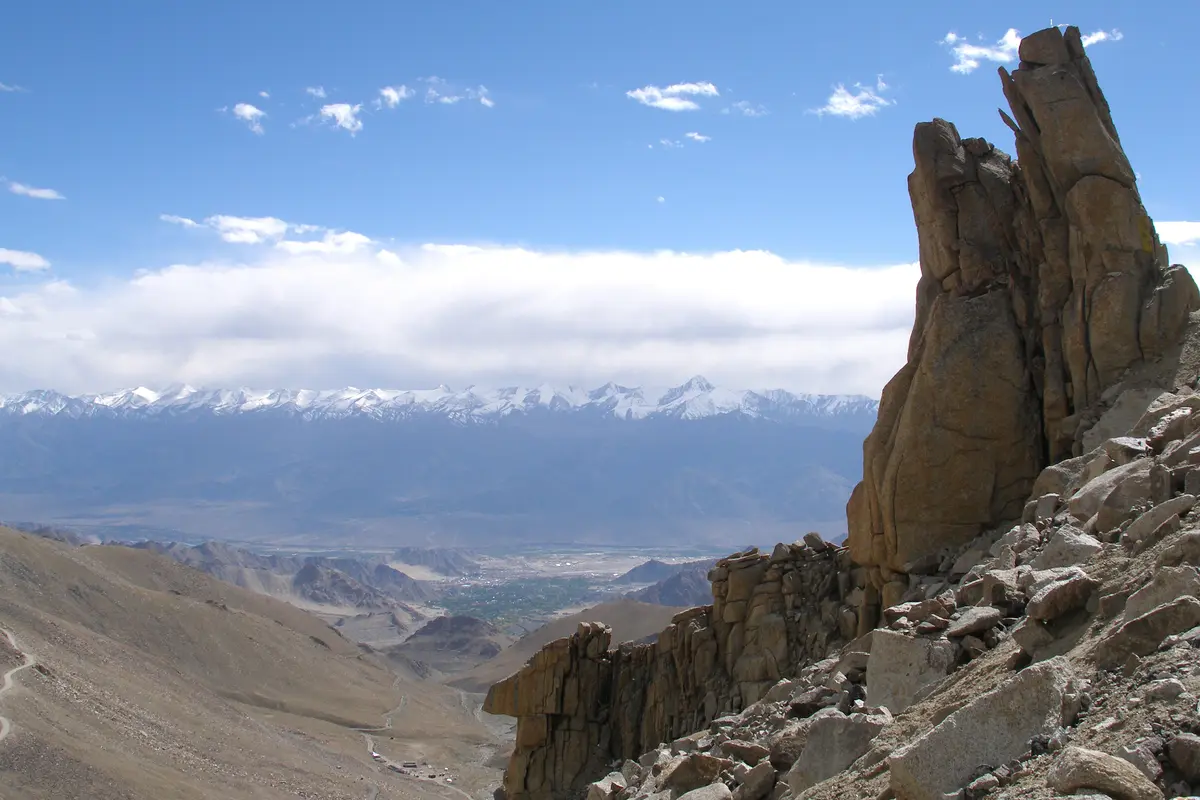
Going higher: passes and lakes
| Destination | Why caution is needed |
|---|---|
| Khardung La and Chang La | Much higher than Leh. Keep stops brief. |
| Pangong Lake and Tso Moriri | Overnight stays well above Leh's altitude. |
| Hanle and Umling La | Very high and remote, with limited medical facilities. |
For the extreme altitude of Umling La, read our Umling La guide.
Medication
Some travellers are prescribed medication to help prevent altitude sickness. It is not suitable for everyone and can have side effects. Do not take any medication for altitude without advice from a qualified doctor, and never use medication as a reason to ascend faster. Carry your regular prescriptions and discuss your plans with your doctor before the trip.
Oxygen
Some hotels and vehicles carry portable oxygen cylinders. Oxygen can relieve symptoms but does not replace descent or medical care for serious symptoms. If this matters to you, ask your hotel or tour operator before booking whether oxygen is available.
Travelling with children and older travellers
Children and older adults can travel to Leh, but extra care is needed. Plan longer rest periods, watch for subtle signs of illness and consult a doctor before travelling. Our family trip guide has more ideas for travelling with family.
Myths about altitude sickness
- "Fit people don't get it." Fitness does not protect you; very fit people sometimes push too hard too soon.
- "I've been before, so I'll be fine." Previous trips are a guide, not a guarantee.
- "Oxygen means I can go higher." Oxygen relieves symptoms but does not replace acclimatisation or descent.
- "A headache is just the sun." At altitude, treat a headache as a possible sign of altitude sickness until it clears with rest.
Packing for health
See our Ladakh packing list for a basic medical kit and clothing for cold nights.
Plan a sensible itinerary
The best protection against altitude sickness is an itinerary with enough time. If you would like help planning a trip with built-in acclimatisation, contact Tripsdoc.
Final thoughts
Most visitors to Leh adjust well when they rest on arrival, take things slowly and listen to their bodies. Respect the altitude, know the warning signs, and seek medical help without hesitation if symptoms become serious.
Photo credits (Wikimedia Commons): PJeganathan (CC BY-SA 4.0), Anirvan Shukla (CC BY-SA 3.0), Vyacheslav Argenberg (CC BY 4.0).
Frequently Asked Questions
Most guidance for travellers flying into Leh is to rest for at least the first 24–48 hours, with only very light activity, before doing sightseeing or going higher. Follow any current advisory from local health authorities.
Travelling by road gains altitude more gradually, especially via Srinagar, which can help acclimatisation. Flying is faster but takes you straight to Leh's altitude, so rest is especially important after flying in.
Only on the advice of a qualified doctor. Some travellers are prescribed medication, but it is not suitable for everyone and does not replace gradual acclimatisation.
Yes. Children can be affected and may find it harder to describe symptoms. Watch them closely, keep activity light at first, and consult a paediatrician before travelling.