Everything you need to plan a visit to Turtuk, the Balti village on the Shyok river: getting there from Nubra, sightseeing, where to stay, the best season, riding tips and a sample Leh to Turtuk itinerary.
Turtuk sits on the banks of the Shyok river at the western end of the Nubra Valley, close to the Line of Control. It was under Pakistani administration until 1971 and opened to tourists only around 2010. Today it is one of Ladakh's most distinctive villages: Balti-speaking, Muslim, terraced with barley fields and apricot orchards, and greener than much of the region. This Turtuk travel guide explains how to get there, what to see, where to stay and when to visit.
Why visit Turtuk?
- Balti culture: language, food, dress and architecture differ from the Buddhist villages elsewhere in Ladakh.
- Landscape: stone houses, orchards and stone-walled paths above a fast-flowing river.
- History: the village's recent history as a border village in Ladakh adds an unusual perspective.
- Pace: it is a place to walk slowly, sit in a garden and talk to people.
A short history of Turtuk
Turtuk belongs to the historic region of Baltistan, most of which lies across the Line of Control today. Its people are Balti, speak the Balti language and are largely Muslim, with close cultural ties to communities further down the Shyok valley. For centuries the village was linked to trade and family networks that ran along the river, rather than to Leh.
After the 1947–48 conflict, Turtuk came under Pakistani administration. During the 1971 war, the Indian Army took control of Turtuk and a few neighbouring villages, and they have been part of India since. Some families were divided by the new boundary. For many years the area was closed to outsiders; it was opened to tourists around 2010. Visitors today can learn more from local museums and from residents who are often happy to share their stories.
Nubra to Turtuk: getting there
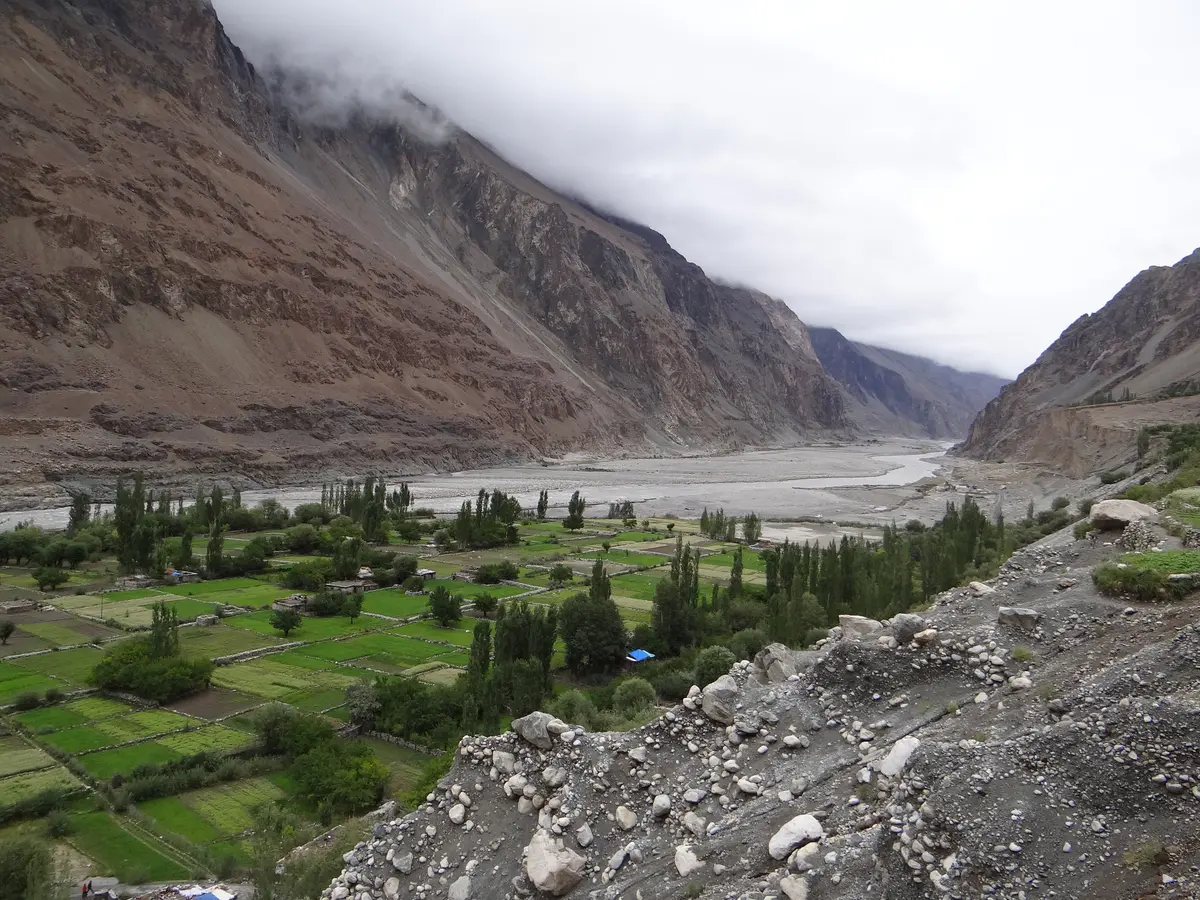
Turtuk is reached from Hunder by the road that follows the Shyok river westwards through Bogdang. The road is narrow in places, with steep drops to the river.
The drive is roughly 80 km and usually takes 2.5–3 hours.
- Start from Hunder or Diskit, after crossing Khardung La from Leh on a previous day.
- Leave in the morning to give yourself time in the village.
- Carry your permit; there are army checkpoints along the route.
Read our Nubra Valley travel guide for planning the first leg from Leh.
How much time to spend
A few hours is enough to walk through the main village, but an overnight stay is far more rewarding. Evenings and early mornings are when Turtuk is at its most peaceful: smoke rises from kitchens, families return from the fields and the light softens on the mountains across the river. If your schedule allows, two nights let you explore neighbouring hamlets and simply relax.
Turtuk sightseeing: what to see
Walking the village
Turtuk is divided into neighbourhoods on both sides of a stream. Paths wind between stone houses, fields and orchards. Walking is the best way to experience it; there is no need for a vehicle once you arrive.
Turtuk heritage house and museum
Some families have opened traditional homes or small museums that show Balti household objects and the village's history.
Mosque and old village
The village mosque and surrounding old quarter give a sense of how Turtuk has grown. Dress modestly and ask before entering or photographing places of worship.
Natural cold storage rooms
Turtuk is known for stone chambers that use cool air to keep food fresh in summer. Your homestay host may be able to show you one.
Apricots and seasonal produce
Apricot season brings orchards full of fruit and drying racks on rooftops. Buy local produce from families to support the village economy.
War memorial and border viewpoints
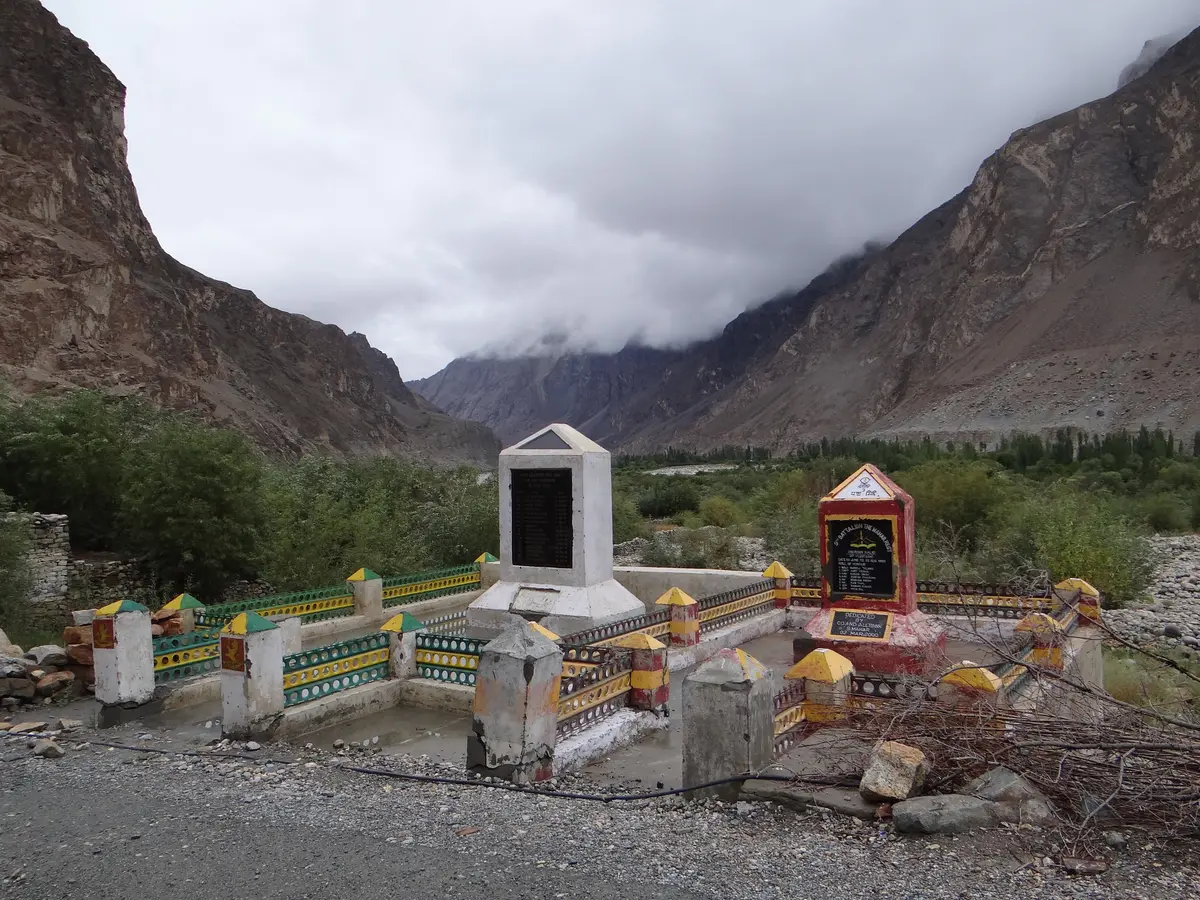
There is a war memorial in the village. Some travellers also visit viewpoints near Thang village, further west. Always follow army instructions and avoid photography where it is not permitted.
Balti food to try
Balti cooking is different from food elsewhere in Ladakh. Ask your homestay host what they are cooking – many families are proud to share local dishes. Things to look out for include:
- Buckwheat breads and pancakes: buckwheat grows well here and appears in many dishes.
- Apricots: eaten fresh in season, dried for winter and pressed for oil.
- Apricot kernel products: some families make a sweet or oil from the kernels.
- Butter or salt tea: served with bread for breakfast in many homes.
Small cafés in the village also serve simple meals, tea and fresh juices in season.
A suggested half-day walk
- Start near the main road and cross the stream by the footbridge into the older part of the village.
- Follow the stone-walled lanes uphill between houses and orchards.
- Visit a heritage house or museum if one is open.
- Continue to the edge of the fields for views over the Shyok and the surrounding peaks.
- Return via a different lane, stopping at a café or a family selling dried apricots.
Wear comfortable shoes; paths can be steep and uneven. Allow time for conversations along the way.
Turtuk or Hunder: where to base yourself?
| Stay in Turtuk | Day trip from Hunder | |
|---|---|---|
| Experience | Quiet evenings and mornings in the village | A few hours during the busiest part of the day |
| Driving | Split across two days | Return drive the same day |
| Accommodation | Simple homestays | Wider choice of camps and guesthouses |
| Best for | Travellers interested in culture and slow travel | Short trips and tight schedules |
Turtuk stay: homestays and guesthouses
Most accommodation in Turtuk is in family-run homestays and small guesthouses, with a few camp-style options. A Turtuk stay with a family usually includes home-cooked Balti food.
- Expect simple rooms; some have shared bathrooms.
- Electricity can be intermittent; carry a power bank.
- Mobile coverage is limited.
- As a Muslim village, alcohol is not appropriate; respect local customs.
Best time to visit Turtuk
The best time to visit Turtuk is from late spring to early autumn, when the road from Nubra is open and the village is green. Summer brings fruit and longer days, while early autumn offers clear skies and golden fields. Turtuk is lower than Leh, so many visitors find it comfortable after the higher passes.
Turtuk itinerary ideas
Leh to Turtuk itinerary: 4 days
- Day 1: Leh → Hunder via Khardung La.
- Day 2: Hunder → Turtuk. Afternoon village walk.
- Day 3: Morning in Turtuk, then return to Hunder or Diskit.
- Day 4: Back to Leh, or onwards to Pangong via Shyok.
This Turtuk itinerary assumes you have already spent at least two nights acclimatising in Leh. Our Nubra to Pangong via Shyok guide explains the onward route, and the tour combinations guide has a 7-day Leh–Turtuk itinerary.
Turtuk bike trip tips
A Turtuk bike trip is a scenic ride along the Shyok. The road has narrow sections, blind corners and occasional rockfall.
- Fill up fully in Diskit.
- Ride at a steady pace and use your horn on blind corners.
- Avoid riding after dark.
- Carry your rental agreement and permit at checkpoints.
See our Ladakh bike trip guide for rentals and gear.
What to expect on the road from Hunder
The road west from Hunder runs close to the Shyok for most of the way. The valley narrows, and the road is cut into cliffs in places, with the river rushing below. Small villages such as Bogdang appear in green patches between stretches of bare rock. As you get closer to Turtuk, the houses, dress and language start to change – the first sign that you are entering Balti country. Army camps and checkpoints are a reminder of how close the border is. Drive patiently: the road is narrow, and oncoming trucks and army vehicles need space.
Turtuk with children or older travellers
Turtuk is lower than most of Ladakh, and the village is pleasant for families. The main considerations are the long drive from Hunder and the steep, uneven paths inside the village. Plan a relaxed pace, carry water and snacks, and let older travellers rest at a café while others explore the upper lanes. Children usually enjoy the orchards, footbridges and stone lanes.
Responsible travel in Turtuk
- Dress modestly, particularly around the mosque and with older residents.
- Ask permission before photographing people, especially women and children.
- Stay on paths through fields and orchards.
- Support local businesses: homestays, cafés and farmers.
For other villages that reward a slow visit, read our guide to the best villages and hidden places in Ladakh.
Practical tips
- Cash: carry enough for your stay; card and digital payments may not always work.
- Clothing: modest clothing covering shoulders and legs is appreciated.
- Timing: Friday prayers and religious festivals shape village routines; check with your host.
- Supplies: small shops sell basics, but bring any specific items from Leh.
Permits
Turtuk is in the protected area beyond Khardung La. Your permit must include Nubra and Turtuk. See the Leh permit guide.
Turtuk package and tour options
A Turtuk package or Turtuk village tour is usually combined with Nubra and Pangong. Tripsdoc's Leh Turtuk Umlingla Leh package page lists its current route and inclusions; you can also browse all Leh Ladakh packages.
Combining Turtuk with the rest of Nubra
Turtuk sits at the end of the road, so it pairs naturally with Hunder and Diskit. A good pattern is to arrive in Hunder from Leh, spend the next day and night in Turtuk, then return to Hunder or continue towards Pangong via the Shyok road. Sumur and Panamik, on the other branch of the valley, are better saved for an extra day.
Final thoughts
Turtuk is a reminder that Ladakh is not one culture but many. Walk slowly, stay a night if you can, and treat the village as a home rather than an attraction. To include Turtuk in your plans, contact Tripsdoc.
Photo credits (Wikimedia Commons): Zhongsense (CC BY-SA 4.0), Rajnish71 (CC BY-SA 4.0).
Frequently Asked Questions
Yes. Turtuk feels very different from the rest of Nubra – greener, with Balti language, food and architecture. It adds a cultural dimension that Hunder and Diskit do not.
Yes, many travellers do. Staying overnight is more relaxed and lets you walk the village in the quiet morning and evening hours.
Turtuk receives visitors regularly and local people are welcoming. As it is close to the border, follow army instructions, carry your permit, and avoid restricted areas.