Your complete Delhi to Leh travel guide: every way to get there by air, road, bus or rail-and-road, when to go, permits for protected areas, mobile network and money, what to pack, altitude sickness prevention and local etiquette in Ladakh.
This Delhi to Leh travel guide brings together everything you need to plan a trip to Ladakh from the capital: how to get there by air, road, bus or a rail-and-road combination, when to go, which permits you need, how to stay connected and paid up, what to pack, and how to stay healthy at altitude. I have written it for first-time visitors, families, couples and groups, based on the questions travellers ask us most. Rules, prices and schedules change, so use this as a starting point and confirm the latest details before you travel.
Key facts at a glance
- Leh altitude: about 3,500 m.
- By air: roughly 1 hour 15 minutes from Delhi.
- By road: about 950–1,050 km depending on route; 4–6 days.
- Main season: roughly April to October for flights, June to September for both highways.
- Network: postpaid works in towns; most prepaid from other states does not.
- Permits: needed for protected areas such as Nubra and Pangong.
Delhi to Leh travel guide: how to get there
By flight
Direct flights operate from Delhi to Leh's Kushok Bakula Rimpochee Airport, mostly in the morning. It is the fastest option and suits short holidays. Book early for June and July, keep a buffer day for weather cancellations and plan two very easy days on arrival.
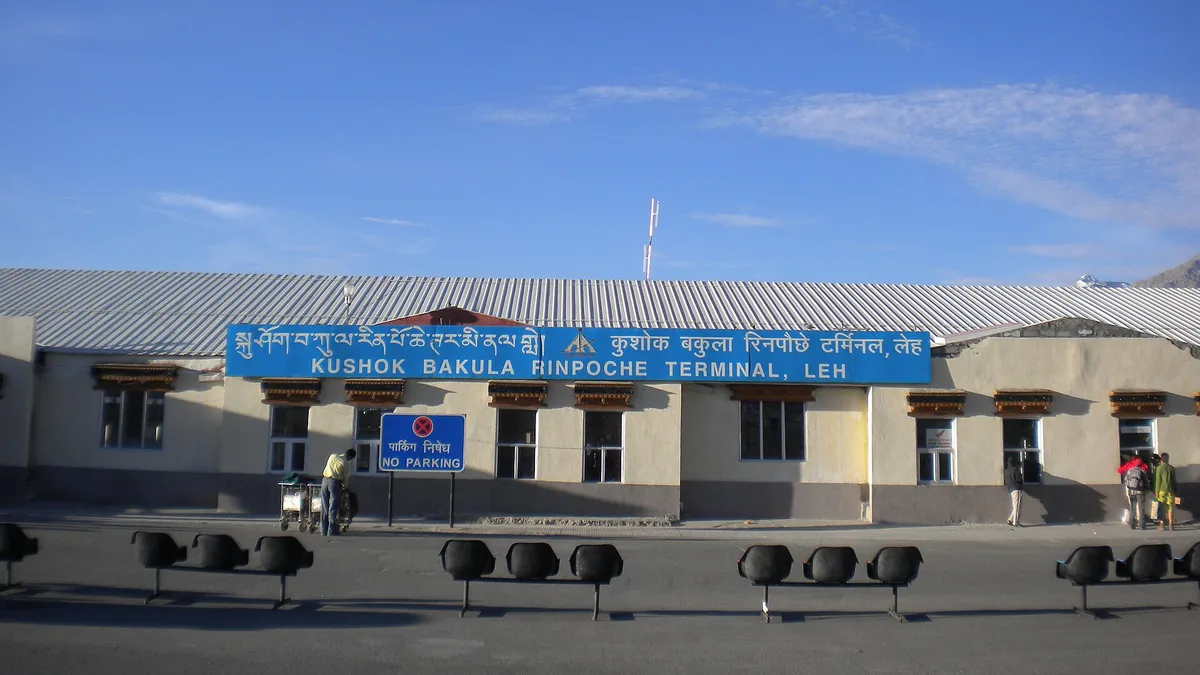
By road via Manali
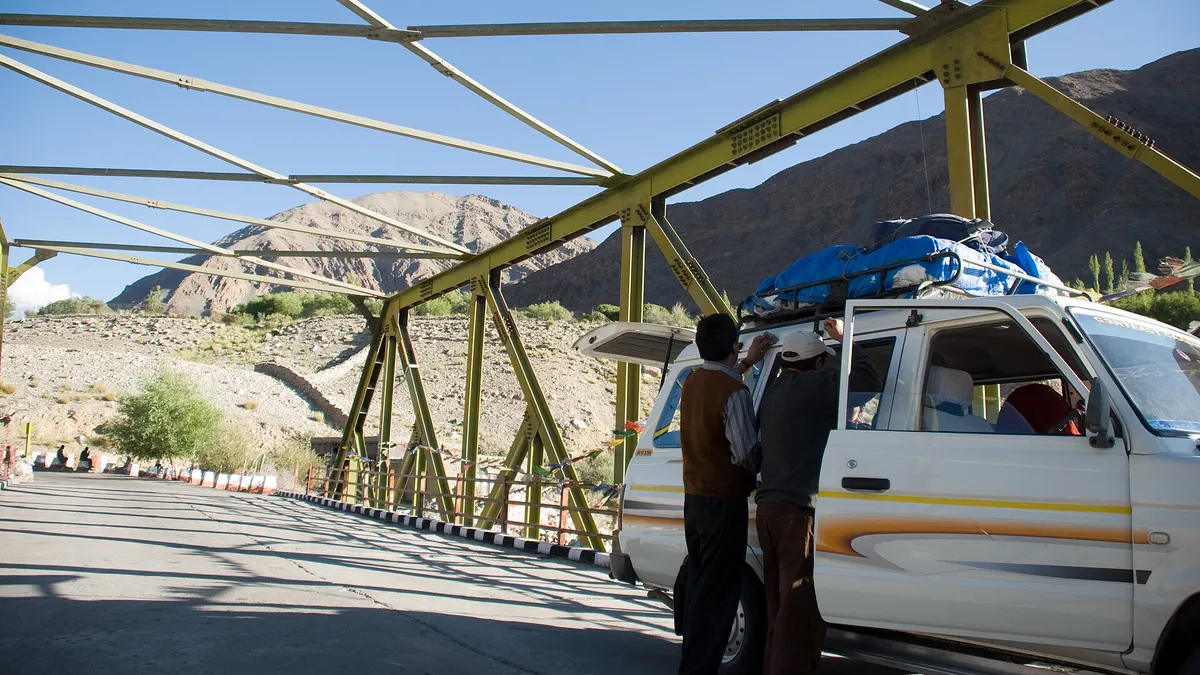
Drive or take an overnight bus to Manali, then two days over the Atal Tunnel, Baralacha La and Tanglang La. It is spectacular, high and remote, and usually open from June to early October.
By road via Srinagar
Fly or drive to Srinagar, then two days via Sonamarg, Zoji La, Drass and Kargil. This road climbs more gently and often opens earlier in the season.
By bus
The budget route is an overnight Volvo to Manali, followed by a state bus or shared taxi to Leh. Read our Delhi to Leh by Volvo guide for timings and tips.
Rail and road
There is no railway to Leh. Trains to Chandigarh, Kalka, Jammu or the Kashmir valley can be combined with road travel for a slower, economical journey.
When to visit Leh
| Period | What to expect |
|---|---|
| April–May | Cold, quiet; flights only or Srinagar road if open; frozen lakes early on |
| June | Both roads usually open; snow on passes; busy |
| July–August | Peak season; warm days; rain delays on approach roads |
| September | Clear skies, fewer crowds, cold nights; excellent month |
| October | Very cold nights; Manali road may close; camps shutting |
| November–March | Deep winter; flights only; for experienced winter travellers |
Permits and paperwork
Indian travellers do not need a permit for Leh town itself. For protected areas such as Nubra, Pangong, Tso Moriri, Hanle and Turtuk, you need a permit, applied for online or through a registered operator, along with fees. Foreign nationals have separate rules. Carry several printed copies and your original photo ID, since checkpoints may ask for them. Rules change, so check the latest requirements a few weeks before you travel.
Choosing the right way in for your group
The question I hear most is simply, "Should we fly or drive?" Here is how I usually answer it. If you have seven days or fewer, fly; a road journey would eat half your holiday. If you have ten days or more and love long drives, go by road and fly back, so the climb is gradual and the return is quick. Families with small children and seniors often do best flying in and keeping the first two days completely free, or choosing the Srinagar road, which climbs more gently than the Manali highway.
Budget travellers and backpackers usually take the bus route via Manali, while groups of friends and bikers prefer the Manali road for its drama. Photographers who want variety choose the full circuit, entering through Kashmir and leaving via Manali. Whatever you pick, the advice in this Delhi to Leh travel guide stays the same: slow down on arrival, keep a buffer day and check road and flight status close to departure.
Money and budget basics
A fly-in week in Ladakh with good hotels and a shared private vehicle typically costs more per person than a self-planned bus trip, but saves days and effort. Flights are the biggest variable, rising sharply in June and July. Stays in Nubra and Pangong cost more than equivalent rooms in Leh because supplies are trucked in. Keep a reserve for permits, entry fees, activities and unexpected extra nights.
Staying connected and paying
- SIM cards: postpaid connections work best; prepaid from other states usually does not.
- Internet: available in Leh; patchy or absent in remote valleys and on passes.
- Cash: carry enough for remote areas; ATMs are concentrated in Leh.
- Cards and UPI: widely accepted in Leh; unreliable outside.
Health and altitude safety
Altitude is the single most important thing to plan for in any Delhi to Leh travel guide. Flying in takes you from near sea level to about 3,500 m in an hour. Your body needs time.
- Rest completely on the first day and keep the second day light.
- Drink 3–4 litres of fluids a day; avoid alcohol and smoking.
- Go higher, to Khardung La or Pangong, only after two nights in Leh.
- Learn the warning signs: worsening headache, vomiting, breathlessness at rest, confusion.
- If symptoms worsen, rest, seek medical help and descend.
Consult your doctor before travelling, especially if you have heart, lung or blood pressure conditions, are pregnant or are travelling with infants.
What to pack
- Layered clothing: thermals, fleece, a down or padded jacket and a windproof shell.
- Cap, woollen hat, gloves and warm socks.
- Sunglasses with UV protection, high-SPF sunscreen and lip balm.
- Comfortable walking shoes and sandals.
- Reusable water bottle, a small medical kit and personal medicines.
- Power bank, torch and copies of ID and permits.
Local etiquette and responsible travel
Ladakhis are warm and welcoming. Greet people with "Julley", dress modestly at monasteries, walk clockwise around stupas and ask before taking photographs. Water and waste are serious issues in this desert, so use refill stations, avoid plastic bottles and carry your rubbish back. Support local guesthouses, cafes and craftspeople.
Planning your days
Once you know how you will travel, choose a plan. Our Delhi to Leh itinerary guide has 5-, 7-, 10- and 14-day options. If you are going by road via Manali, the Manali to Leh travel guide covers that highway in detail; for the Kashmir side, see the Srinagar Leh road trip guide.
Why travel with Tripsdoc
We handle the details that are hard to manage from Delhi: permits, named stays, reliable vehicles and drivers, and realistic pacing for your group's health. We stay in touch through the trip and change plans quickly if a flight is delayed or a road closes. Before you leave Delhi, we share a short briefing on altitude, clothing, permits and what each day will feel like, so there are no surprises on arrival.
Conclusion
With the right route, season, permits and a slow first two days, a trip from Delhi to Ladakh is safe, comfortable and unforgettable. Keep this Delhi to Leh travel guide handy as you plan, and confirm the latest rules before you go. When you are ready, explore our Leh Ladakh tour packages or contact Tripsdoc for help planning every step.
Photo credits (Wikimedia Commons): Saippuakauppias (CC BY-SA 3.0), Kiran Jonnalagadda from Bangalore, India (CC BY-SA 2.0), Rupak Sarkar (CC BY-SA 4.0).
Frequently Asked Questions
A direct flight, which takes roughly an hour and a quarter. Several airlines operate daily morning flights in season. The catch is the sudden jump to about 3,500 m, so plan two easy days in Leh before any high passes. By road the journey takes four to six days via Manali or Srinagar.
There is no railway to Leh. You can take a train to Chandigarh or Kalka and continue by road via Manali, or to Jammu or into the Kashmir valley and continue via Srinagar and Kargil. Rail plus road is economical but slow, so allow extra days and confirm connections carefully.
For most travellers, June and September are the sweet spots. June has snow on the passes, open roads and long days; September brings clear skies, fewer crowds and calmer weather. July and August are busiest and can bring rain delays on the approach roads, though Ladakh itself stays mostly dry.
Permits for areas such as Nubra, Pangong, Tso Moriri and Hanle are issued through the Ladakh administration's online system or through registered travel operators in Leh, along with environment and other fees. Rules and fees change from time to time, so check the current process. Carry several printed copies for checkpoints.
Postpaid connections from major operators usually work in Leh and larger villages. Prepaid connections issued outside Jammu and Kashmir and Ladakh generally do not work there. If you only have prepaid, consider a local connection in Leh with the required documents. Network is weak or absent on high passes and in remote valleys.
Ladakh is widely regarded as one of the safer regions for solo women, with friendly locals and a strong guesthouse culture. Usual precautions still apply: choose well-reviewed stays, share your plans with someone, avoid isolated walks after dark and use registered taxis. Joining group trips for remote areas adds company and safety.
Leh has several ATMs and most hotels and shops accept cards or UPI. Outside Leh, in Nubra, Pangong and on the highways, ATMs are rare and networks unreliable, so carry enough cash for a few days. ATMs in Leh can run out of cash in peak season, so withdraw early.
Acute mountain sickness is the body's reaction to low oxygen at altitude, with headache, nausea, tiredness and poor sleep. Reduce the risk by ascending gradually, resting for the first two days in Leh, drinking plenty of fluids and avoiding alcohol. If symptoms worsen, rest and descend. Ask your doctor about preventive medication.
Many people with well-controlled conditions do visit, but only after consulting their doctor. The thin air and cold can trigger breathing or heart problems. Carry your medicines, inhalers and prescriptions, choose a slow itinerary, avoid overnight stays at very high places and keep a plan to descend or reach medical care quickly.
Walk clockwise around stupas and prayer wheels, dress modestly at monasteries, remove shoes where asked and ask before photographing people or monks. Do not touch religious objects. Greet people with a warm 'Julley'. Carry your rubbish back with you, avoid plastic and use water sparingly, as resources are scarce.